
How to Plan a Multi-Island Ferry Trip Without Creating a Rushed Itinerary

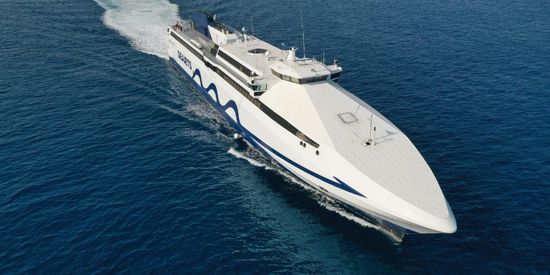

A multi-island ferry trip works best when the route is designed around realistic sailing times rather than a long wish list of destinations. Careful sequencing, sensible connection margins and a clear view of port locations can turn several separate crossings into one manageable journey. Travellers comparing routes can use ferryhopper.com to review schedules and organise multiple ferry legs in one place.

Build the route around geography and sailing frequency
A strong itinerary usually begins with geography. Islands that appear close on a map may not have direct ferry links, while destinations that seem farther apart may share regular services. The planner therefore needs to look at actual connections before deciding how many stops belong in the trip. A route that follows established ferry corridors usually creates fewer awkward transfers and less time spent returning to the same port.
Sailing frequency matters just as much as distance. A destination served several times a day gives the traveller more flexibility than one with only limited departures. When a route contains several stops, a comparison through ferryhopper.com can help reveal which sequences have the strongest practical connections and which require longer waits or indirect travel.
Port location also affects the order of the trip. Some islands have more than one ferry port, and a change of port can add a road transfer that is easy to overlook during initial planning. A traveller who checks the exact arrival and departure points can avoid building an itinerary that looks simple on paper but becomes difficult once local transport is added.
Leave enough time between separate ferry legs
Back-to-back ferry tickets require realistic margins. A delay on the first crossing can affect every later segment, particularly when separate operators are involved. Instead of treating the scheduled arrival and next departure as perfectly fixed, the traveller should allow time to disembark, collect luggage, reach the correct terminal and complete boarding procedures again.
Overnight stops can be useful when two routes do not connect comfortably on the same day. They may add one hotel night, but they can also remove the pressure of a tight transfer and create a more enjoyable visit. The best decision depends on the frequency of the next ferry, the importance of the following reservation and the traveller’s tolerance for uncertainty.
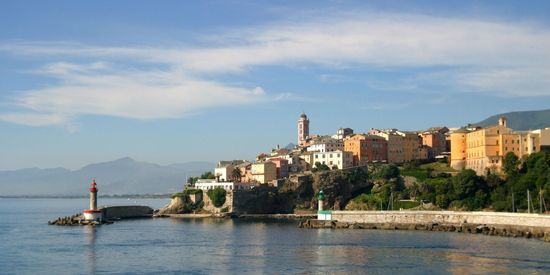
A multi-destination booking tool can simplify the planning stage because several legs can be viewed as parts of one journey. Travellers who want to compare possible combinations can check ferryhopper.com before fixing accommodation dates around each island.
Practical checks before confirming a multi-island route
A short review can identify weak points before the itinerary becomes expensive to change.
- Each ferry leg should use the exact port shown on the booking rather than only the destination name.
- Connection time should include disembarkation, terminal movement and a margin for delays.
- Accommodation dates should be confirmed only after the main sailing sequence is practical.
- The traveller can review ferryhopper.com for available routes, operators and departure times before committing to the final order.
- Longer transfers should be treated as part of the itinerary rather than as empty time between destinations.
Keep the itinerary flexible enough to remain enjoyable
A multi-island trip can become less rewarding when every day is dominated by departures and arrivals. Two or three nights in each main destination often create a more balanced rhythm than constant movement. The traveller gains time to explore while also reducing the number of moments when a single delay can affect the entire plan.
Flexibility also matters when accommodation and ferry schedules do not align perfectly. A traveller may prefer an earlier sailing and a relaxed afternoon at the next destination rather than a late crossing that uses the whole day. Choosing the fastest journey is not always the same as choosing the most comfortable one.

Digital access to bookings can make a complex itinerary easier to manage. Keeping tickets, boarding information and trip details together reduces the need to search through separate emails at each port. Shared trip details are also useful when several people are travelling together and need access to the same information.
Seasonal frequency should also influence the sequence. Some connections operate often on certain routes while others have narrower windows, so the traveller should avoid assuming that an attractive map connection will be equally convenient on every travel date. Checking the actual timetable before reserving accommodation protects the itinerary from unnecessary detours and helps establish a sensible order for the trip.
Ticket conditions deserve attention on a complex route because each leg may follow different rules for changes or cancellations. The traveller should know which reservations are flexible and which are more restrictive before linking several prepaid stays to the same sequence. That knowledge makes it easier to decide where extra time is most valuable and which parts of the itinerary should remain adjustable.
The strongest island-hopping itinerary is usually the one that feels straightforward while travelling. By checking real ferry connections, building sensible transfer margins and limiting unnecessary backtracking, a traveller can create a route that supports the holiday instead of controlling it. Before accommodation and activities are finalised, ferryhopper.com can be used to compare the complete sequence and make sure each crossing fits naturally into the journey.