
How to Choose Eyeglasses by Fit Before Focusing on Fashion



Fit Starts With More Than Face Shape
Eyeglasses are often treated as a style decision first, yet everyday comfort depends on fit long before color or trend enters the picture. A frame can look appealing in a product photo and still feel wrong once it sits on the bridge, reaches the temples or places the lenses in an awkward position. That is why a more reliable selection process begins with proportions, measurements and the way a frame is expected to be worn during a normal day.
Online eyewear shopping can support that process when shoppers pay attention to the numbers attached to each frame. FYTOO lists dimensions such as lens width, bridge width, frame width and temple length on product pages, which gives buyers practical reference points beyond a simple small, medium or wide label. Those figures can be compared with a pair that already fits well. The comparison does not need to be mathematically perfect. Its purpose is to reveal whether a new frame is likely to sit much narrower, wider, shorter or longer than a familiar pair.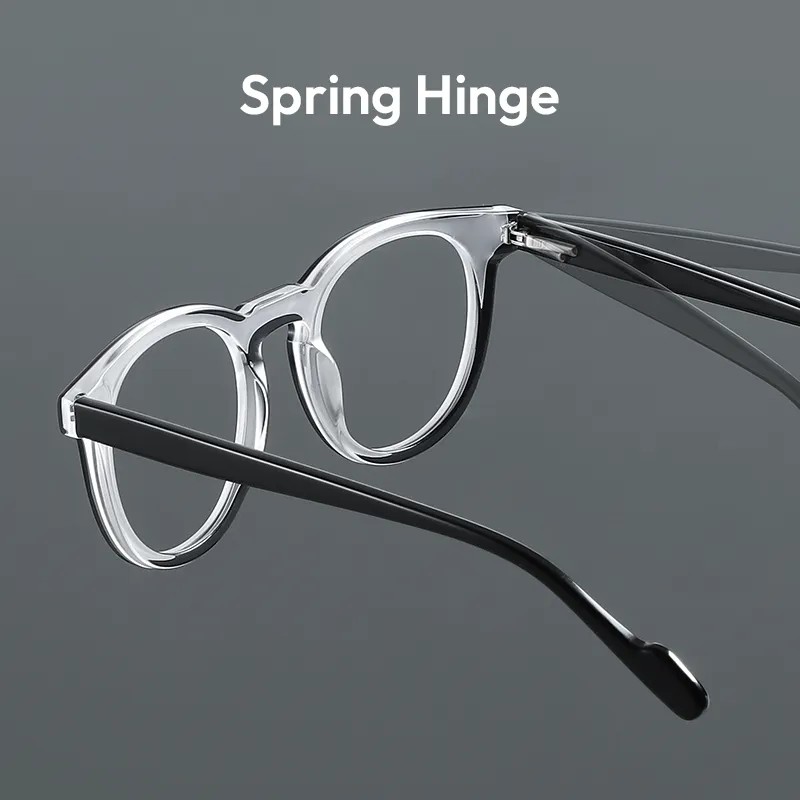
Face shape can still help narrow the visual direction, but it should not become a rigid rule. A round face may gain definition from angular frames while a square face may appear softer with curved shapes. An oval face tends to accommodate many silhouettes. Even so, the bridge and overall width usually matter more to comfort than a style rule. A flattering frame that slides down or presses behind the ears is unlikely to become a reliable everyday choice.
The Measurements That Deserve Attention
A frame measurement is useful only when it is connected to a real wearing need. Lens width affects the visual scale of the glasses and contributes to total frame width. Bridge width influences where the frame rests across the nose. Temple length affects how the arms extend toward and behind the ears. Overall frame width helps indicate whether the front of the glasses will feel balanced or cramped.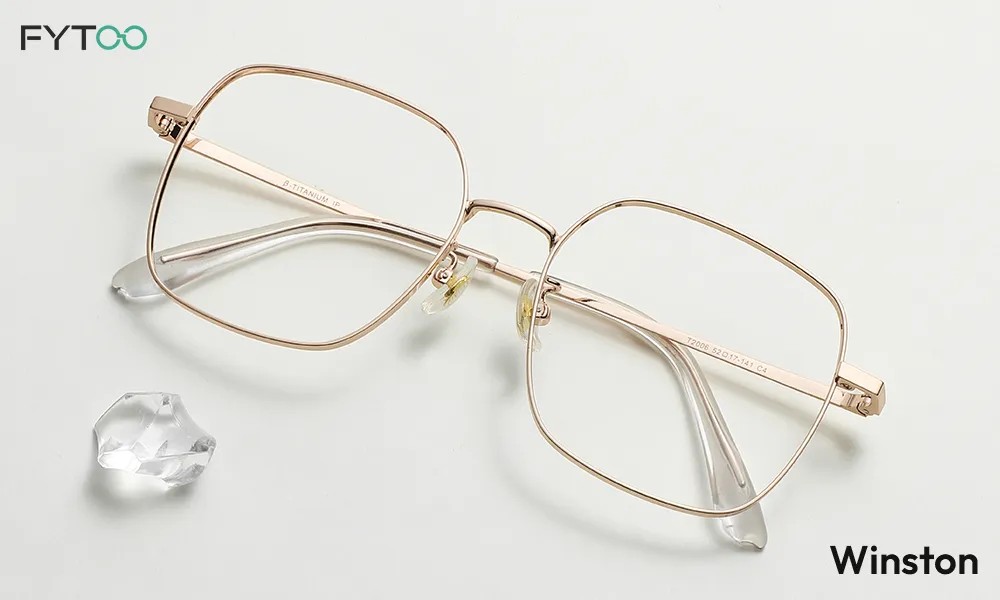
Product pages on FYTOO also show pupillary distance ranges for many frames. Pupillary distance relates to the horizontal positioning of the eyes and is used when lenses are made to a prescription. Shoppers ordering prescription eyewear need accurate prescription information rather than an estimate. A recent prescription and a correctly measured pupillary distance give the lens manufacturer the information needed to place optical centers appropriately.
Fit also changes with material and construction. Lightweight TR90 styles can feel different from thicker acetate frames even when the listed width is similar. Metal frames may offer a finer visual profile while chunky plastic styles can create more presence. Spring hinges can add flexibility on some designs. None of those features automatically makes one frame better. They simply change how a frame behaves during repeated wear.
A Practical Fit Checklist
A short comparison routine can prevent many avoidable mismatches before an order is placed.
- Check the total frame width against a pair that already feels comfortable.
- Compare bridge width when existing glasses tend to slide or leave pressure marks.
- Review temple length if frame arms often feel too short or extend too far behind the ears.
- Confirm that the frame supports the required prescription type before choosing a color.
- Use virtual try-on as a visual guide rather than as a substitute for measurement.
- Keep the current prescription and pupillary distance available before lens selection begins.
That sequence keeps appearance and practicality in the same decision. The retailer offers a broad mix of shapes including round, square, rectangle, geometric and cat-eye styles, so a measurement-first approach can still leave plenty of room for individual taste. FYTOO also presents frames in different materials and color options, which makes it possible to compare similar proportions without limiting the choice to one look.
Comfort Should Guide the Final Choice
The most useful frame is usually the one that remains comfortable after the first impression wears off. Daily glasses may stay on for many hours, move between indoor and outdoor settings and become part of work, travel and routine errands. Small fit problems can become more noticeable over time, especially if the bridge slips, the temples press or the frame feels too heavy for the wearer.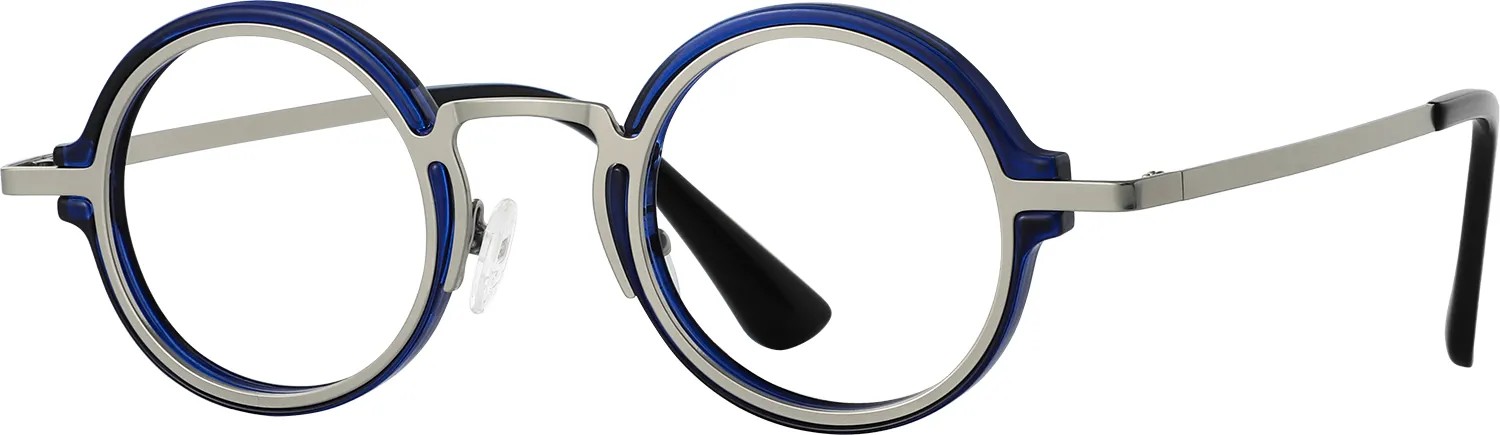
A careful online buyer therefore benefits from treating measurements as the starting point and style as the refinement stage. FYTOO makes frame specifications visible alongside shape, material and prescription compatibility, allowing shoppers to compare more than appearance alone. A well-proportioned frame can then be chosen in the color or silhouette that suits the wearer without ignoring practical fit.
That same logic also makes future purchases easier. Once a comfortable width, bridge range and temple length are known, later browsing becomes more focused. Instead of restarting with every new design, the wearer can compare each option with a proven reference. FYTOO can then function as a wider style catalogue within a set of known fit boundaries, helping the final choice feel deliberate rather than experimental.