
Small-Space Storage That Makes Everyday Rooms Easier to Use

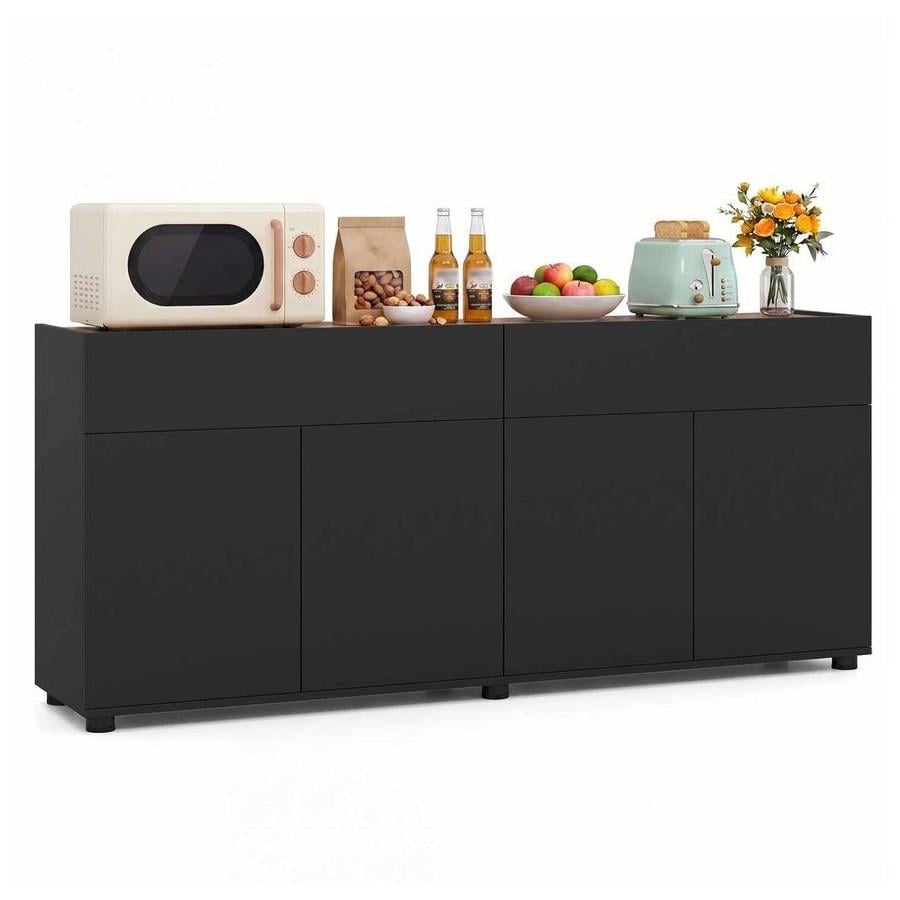

A compact home does not necessarily need fewer possessions. It needs furniture that makes the available floor area work intelligently. A narrow hall, shared living room or kitchen without many cupboards can all become easier to manage when storage fits the way people actually move through the space. Costway offers shoe cabinets, shelving, kitchen trolleys and multipurpose cabinets that illustrate how different forms of storage can solve different problems. The most useful starting point is not a matching furniture set, but an honest inventory of what is difficult to put away.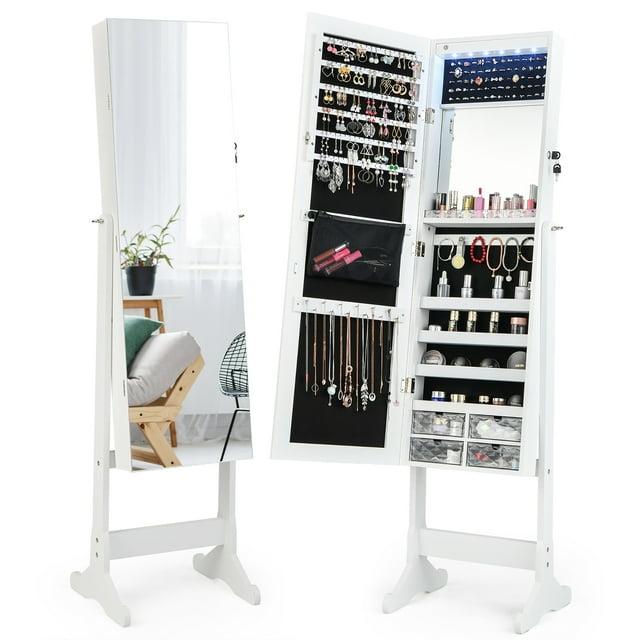
Measure the problem before buying furniture
A furniture purchase can look sensible on a product photograph and still obstruct the room. A hallway cabinet needs clearance for an opening door, room for coats and a route past the furniture when someone is carrying bags. The usable depth of a narrow entrance may be much smaller than the total wall-to-wall measurement. Taking measurements at floor level matters, particularly where skirting boards, radiators or sockets affect placement. In a small kitchen, a rolling trolley should also have enough room to move without colliding with cupboard doors. Practical planning begins with movement, not storage capacity alone.
Vertical furniture often suits limited floor space because it uses height instead of width. Yet taller does not automatically mean safer or more convenient. Frequently used items belong within easy reach; heavy objects should not be balanced on a high shelf. Wall attachment and anti-tip provisions should be checked against the product instructions and the wall type. Shoppers browsing Costway can compare open shelving with enclosed cabinets, noting that visible shelves encourage quick access while doors can reduce the appearance of clutter. Both approaches work when the contents are organized rather than simply pushed aside.
Give each room a different storage strategy
An entrance has different demands from a bedroom. A shoe rack with a bench may provide somewhere to sit while changing footwear, whereas a slim console might hold keys and correspondence without accommodating bulky boots. In the kitchen, a trolley can create a dedicated place for everyday utensils or serving supplies, particularly when fixed cabinets are already full. Wheels are useful only if the floor is suitable and the trolley remains stable when loaded. A bathroom storage unit should be assessed for moisture exposure and cleaning access as carefully as for the number of shelves.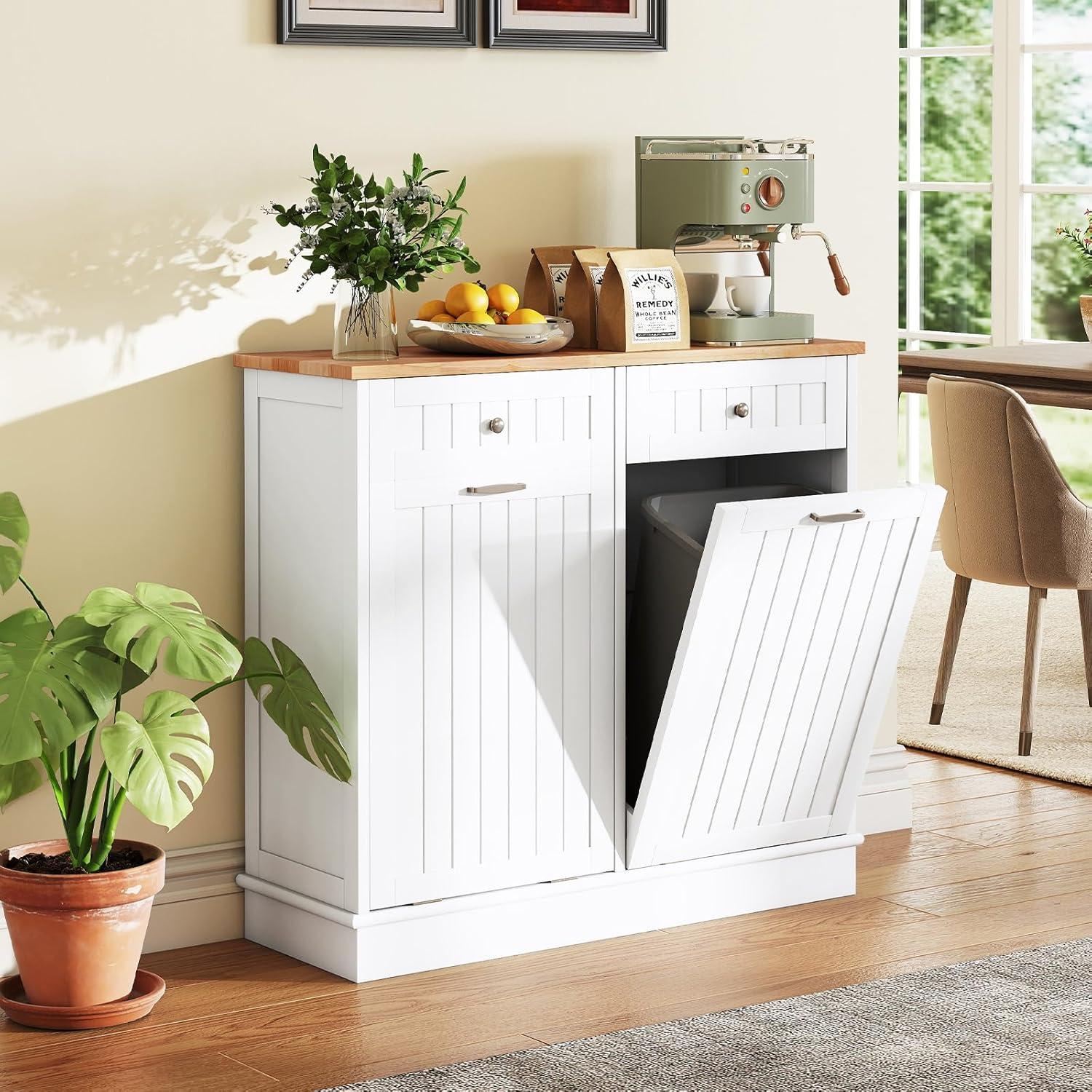
Furniture also needs to suit the items being stored. A fabric drawer can work well for scarves or accessories but may not be the best choice for heavy books. A cabinet with adjustable shelves offers flexibility when containers vary in height. The product dimensions given by Costway can help buyers estimate what will fit, but internal shelf measurements are just as important as the exterior size. Some items have awkward handles or rounded corners, so leaving a small margin is wise. Storage should simplify retrieval, not create a puzzle every time something is needed.
A practical checklist for multifunctional pieces
- Measure both the furniture footprint and the space needed to open drawers or doors.
- Check shelf load limits and the suitability of supplied wall fixings.
- Decide whether open storage or closed doors suit the room better.
- Allow enough clearance for cleaning and daily movement.
- Match drawer and shelf dimensions to the actual objects being stored.
Keep the arrangement flexible as routines change
A room that works for one person may need different storage when two people share it or a child starts school. Modular arrangements and moveable accessories can adapt without replacing every large piece of furniture. That does not mean adding wheels to everything. Stable fixed cabinets are often preferable for heavy objects, while a compact trolley can be helpful for supplies that move between rooms. Thinking about future use protects against purchases chosen only because they fill an empty corner today.
Before ordering, it helps to check materials, assembly requirements and care instructions. Some wood-effect finishes tolerate routine wiping but dislike standing moisture; metal components may need particular attention in humid areas. Reviews and photographs can help illustrate the scale of a cabinet, but exact measurements and manufacturer instructions should determine suitability. Delivery packages may also be surprisingly large in narrow stairwells. Checking the route from the entrance to the intended room can prevent an awkward surprise after the furniture arrives.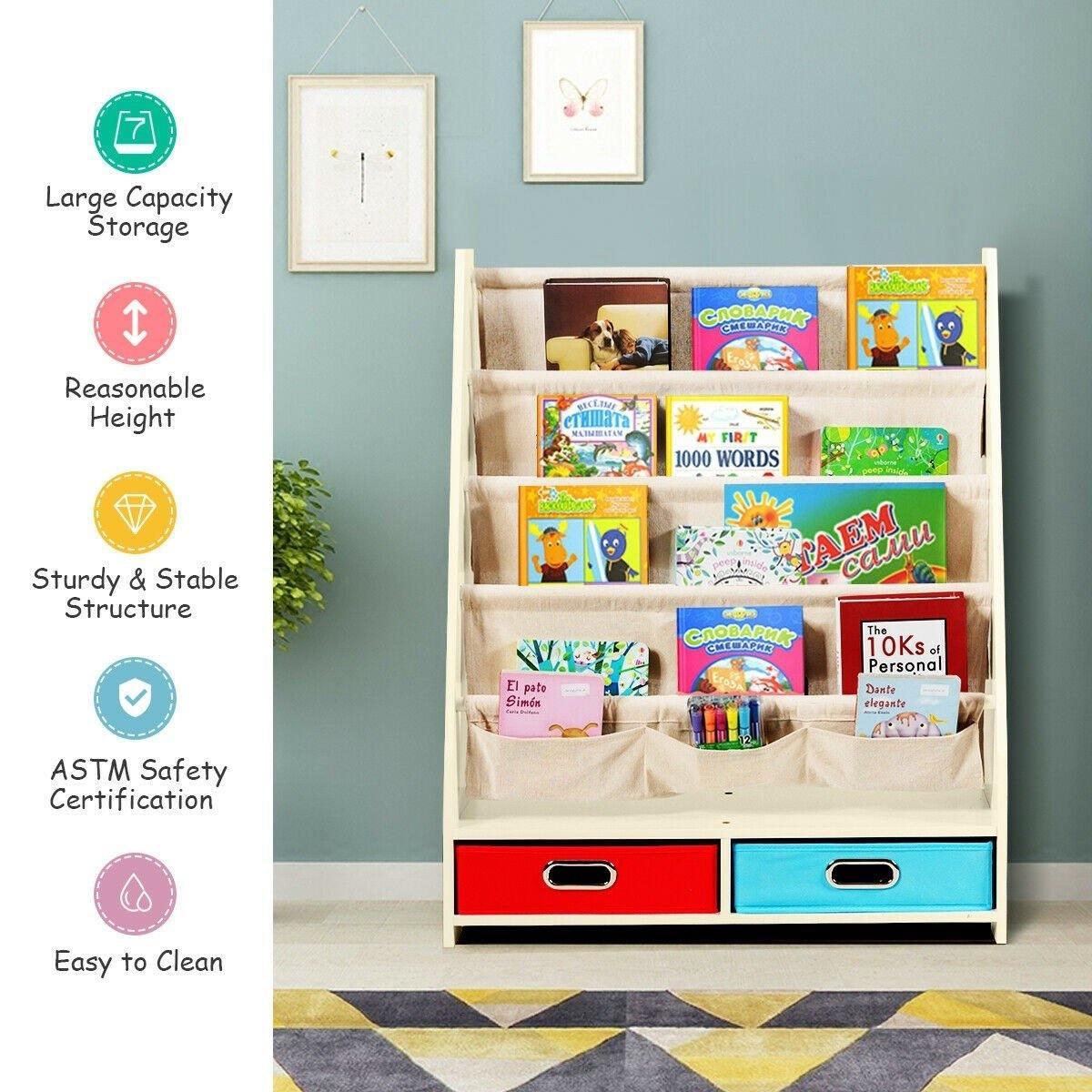
The final test is whether the new piece improves a routine. A shoe bench should make departures easier, a kitchen cart should place useful supplies nearer the task and a bookshelf should allow books to be found rather than hidden. Costway is one place to compare these styles, but a purchase earns its place only when the dimensions, access and maintenance fit the household. Thoughtful storage gives ordinary objects a dependable home while preserving space for people to live.
Small rooms rarely improve through a single dramatic purchase. They improve when furniture reduces repeated frustrations: an overcrowded counter, a blocked passage, a stack that keeps falling or a drawer that no longer closes. Reviewing those inconveniences before shopping creates a clearer set of priorities and often reveals that one properly chosen cabinet can be more useful than several small organizers. For anyone comparing Costway furniture, the goal is a room that remains easy to use after the initial tidy-up, even on a busy weekday.