
Common Misconceptions About Italian Deli Products and Authentic Ingredients

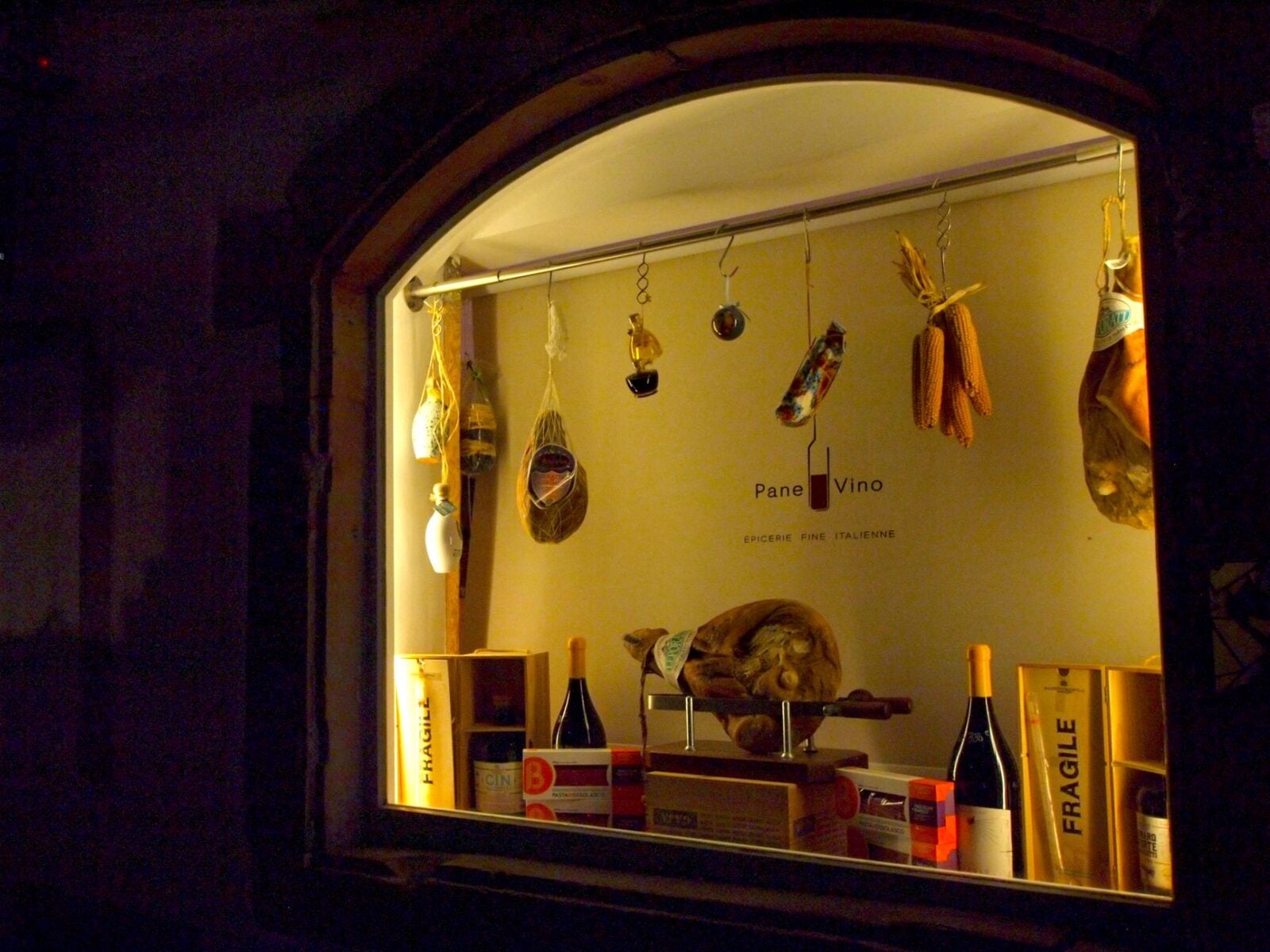

Shelves labeled with Italian flags and romantic script do not guarantee what lies inside the packet or the tub. Many shoppers assume that anything printed with an Italian-sounding name must be the real thing, yet the market is full of imitations built on clever branding rather than origin. Understanding what makes authentic Italian deli products genuine requires looking past the packaging and toward certifications, production methods, and sourcing details that actually matter.
Myth: All Pasta Labeled Italian Is Actually Made in Italy
A common belief holds that any pasta with an Italian name or a tricolor sticker was made somewhere near Naples or Bologna. In reality, plenty of pasta sold under evocative names is manufactured far from Italian soil, using wheat and water sourced elsewhere. The packaging might reference a region, a family recipe, or a nonna, without any of the product ever touching an Italian production line. Camisa stocks Martelli pasta as part of its pasta and rice range, giving shoppers a way to choose a specific, named producer rather than a vague geographic claim.
Reading the fine print on origin labeling matters more than trusting imagery. A product description that names the actual mill, region, or family producer carries more weight than a flag on the box. That distinction is part of what separates authentic Italian deli products from imitation lines designed to look the part without the substance behind them.
Misconceptions About Prosciutto DOP and Protected Designation of Origin
Many consumers think the word prosciutto alone signals quality, when in fact the DOP designation is the part that actually certifies origin and production standards. Protected Designation of Origin status ties a product to a specific region and a defined process, not just a style of curing. Without that label, a ham may still taste fine, but it carries no guarantee of meeting those regional standards.
Camisa lists Terre Ducali Prosciutto di Parma DOP, aged 18 months and sold sliced in a 90g pack, as an example of a product that carries this certification explicitly. The aging period and the DOP marking together communicate something concrete about how the meat was produced, rather than leaving shoppers to guess. This is the kind of detail that separates a labeled claim from a verified one, and it is a useful marker when comparing imported charcuterie more broadly.
Buffalo Mozzarella and Burrata: Separating Real Campania PDO from Counterfeit Versions
Buffalo mozzarella is one of the most imitated Italian cheeses on supermarket shelves, often made from cow’s milk blends rather than genuine buffalo milk. The PDO designation for Campania buffalo mozzarella specifies both the milk source and the region of production, which rules out many mass-market substitutes. A product without that marking may resemble the real thing in shape and softness, but the production standard behind it is different.
Fattoria Garofalo Buffalo Mozzarella of Campania PDO, sold as a 10x50g tub, reflects that certified standard directly on the label. The same producer’s Buffalo Burrata, sold in a 125g cup, extends that same regional guarantee to a related fresh cheese. Consider a shopper standing between two tubs of mozzarella, one marked PDO Campania and one simply labeled “buffalo style”: the certified tub names the milk source and region, while the other offers no such claim at all, and that single line of text is the clearest signal available without tasting either one.
Why Artisan Pasta and Sauce Quality Markers Matter More Than Brand Names
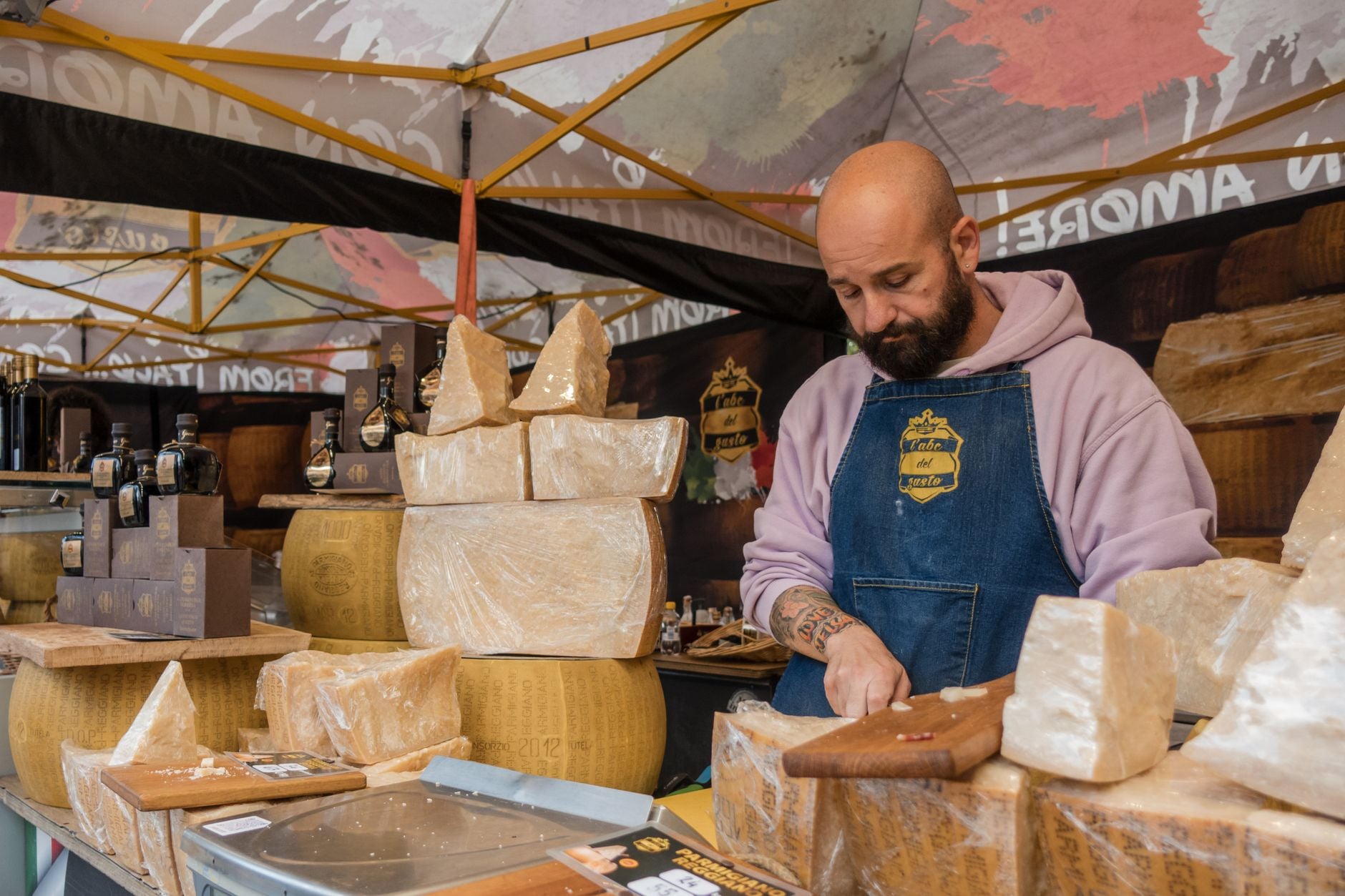
Brand recognition is not the same as a quality marker, and many popular pasta and sauce brands in supermarkets are mass-produced regardless of their Italian-sounding names. Artisan producers, by contrast, often use slower processes, such as extended drying times for pasta or longer simmering for tomato sauces, and these methods tend to preserve texture and flavor that faster industrial lines flatten out. Slower production is not a guarantee of quality on its own, but paired with a named ingredient source it signals a process built around the ingredient rather than around speed. Spotting the difference usually means checking who made the product and how, not just what the label says in large type.
Camisa‘s cooking sauce and pesto selection includes Mutti products alongside a broader range of sauces and pestos, sold apart from private label pasta lines. Having a named, traceable producer attached to a sauce or a tin of tomatoes gives a clearer picture of production standards than an unbranded supermarket label ever can.
The Truth About Italian Charcuterie Grading and Aging Claims
Aging claims on cured meats are often treated as marketing flourishes rather than meaningful data, but the aging period is one of the few concrete facts a label can state. An 18 month aging period, as seen on the Terre Ducali Prosciutto di Parma DOP, reflects a defined production timeline rather than a rounded-up marketing number. That specificity matters because it ties the product to a documented process instead of a vague promise of tradition.
Camisa‘s charcuterie listings separate products by producer and by these stated details, rather than bundling everything under one generic cured meats banner. This approach lets shoppers compare aging periods and designations side by side instead of guessing from packaging alone. For anyone trying to judge authentic italian deli products by more than appearance, that kind of labeled detail is the actual evidence worth checking before buying.
Understanding Authentic Italian Pantry Staples Versus Mass-Market Alternatives
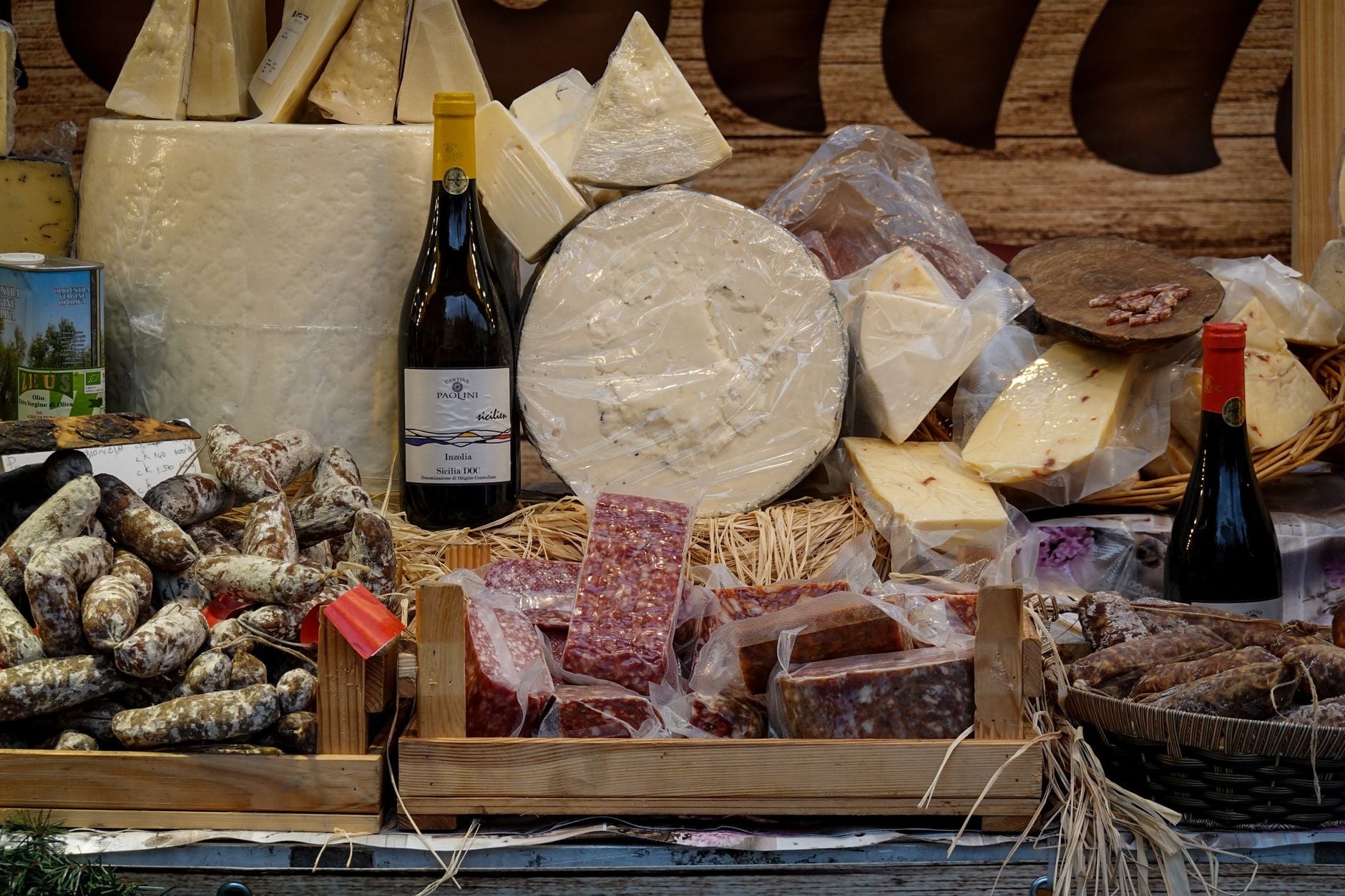
Pantry staples such as oils, tinned tomatoes, and dried pasta are often where authenticity claims get the loosest treatment, since these products rarely carry a certification as visible as a PDO stamp. Even so, named producers and clearly stated ranges, rather than unbranded house lines, tend to offer more traceable sourcing. A shopper comparing two bottles of oil or two tins of tomatoes gains more useful information from a producer name printed on the front than from a label that simply reads “Italian style” with no producer attached at all.
- Many shoppers believe an Italian flag on packaging confirms the product was made in Italy, when the flag alone certifies nothing.
- Some assume a certification stamp such as DOP or PDO is optional branding, though it actually defines region, ingredients, and production method.
- A widely held idea is that aging or curing times are just marketing language, even though a stated aging period reflects a real production timeline.
- Many consumers treat supermarket brand recognition as a stand-in for quality, overlooking that mass production and artisan production can carry the same familiar name.
- Shoppers can verify authenticity by checking for a named producer, a stated region, and a certification mark rather than relying on packaging imagery alone.
Camisa‘s pantry section lists named brands such as Mutti rather than presenting an anonymous house range, which gives shoppers a producer to reference when comparing tins or bottles. That naming convention does not replace a certification mark, but it does add a layer of traceability that generic labeling cannot offer. In pantry categories where formal certification is rare, a known producer name becomes one of the few reliable anchors available.
Recognising What Authenticity Actually Looks Like
Spotting genuine Italian deli products comes down to a handful of checkable details rather than a feeling about the packaging. A named producer, a stated region, a certification mark, and a specific aging or production figure together tell a more complete story than any flag or script font. Shoppers who look for those details, rather than the overall impression a label creates, end up with a far clearer picture of what they are actually buying.