
Common Mistakes When Cooking with Steak Stones and Hot Rocks

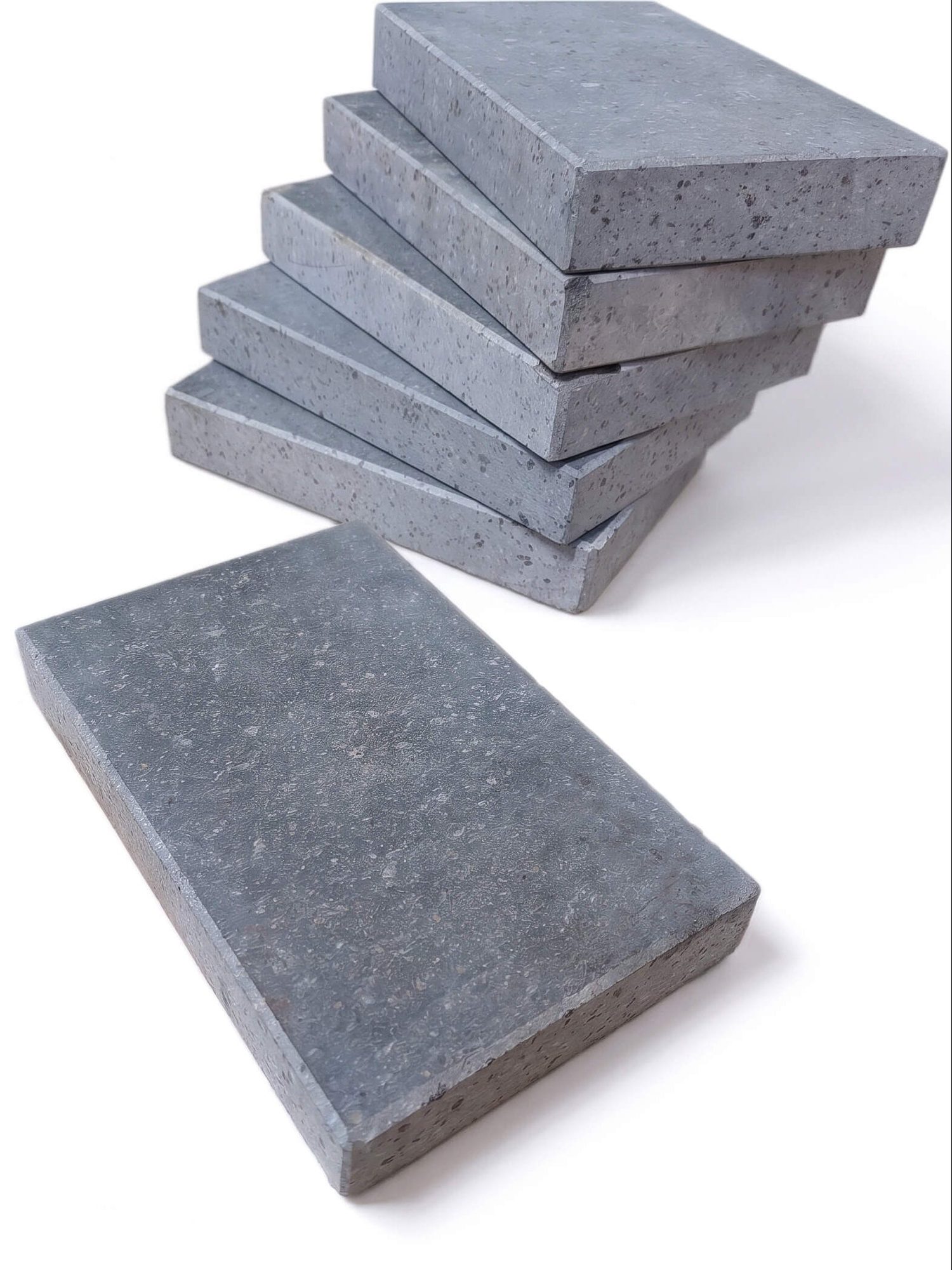

Hot stone dining looks simple from the outside, yet many home cooks run into the same issues the first time a sizzling slab lands on the table. Most steak stone cooking mistakes come down to a handful of misunderstandings about heat, timing, and stone care rather than any real flaw in the equipment. Clearing those up makes the difference between a flat dinner and the kind of interactive experience the format was built for.
What Steak Stone Cooking Actually Is (Not Just for Steaks)
A lot of first-time buyers assume a hot rock is a one-trick tool meant only for beef, which is one of the more persistent steak stone cooking mistakes in casual conversation about the format. Blackrockgrill‘s own product range makes the broader use clear, since its sets are described as suitable for chicken, fish, and other produce alongside classic cuts.
The idea is straightforward. A dense volcanic stone is heated, brought to the table, and used to finish cooking in front of diners. Because the stone holds heat steadily, it works for a wide range of proteins and vegetables, not a single menu item.
Temperature Management: Why Pre-Heating the Stone Matters More Than Most Think
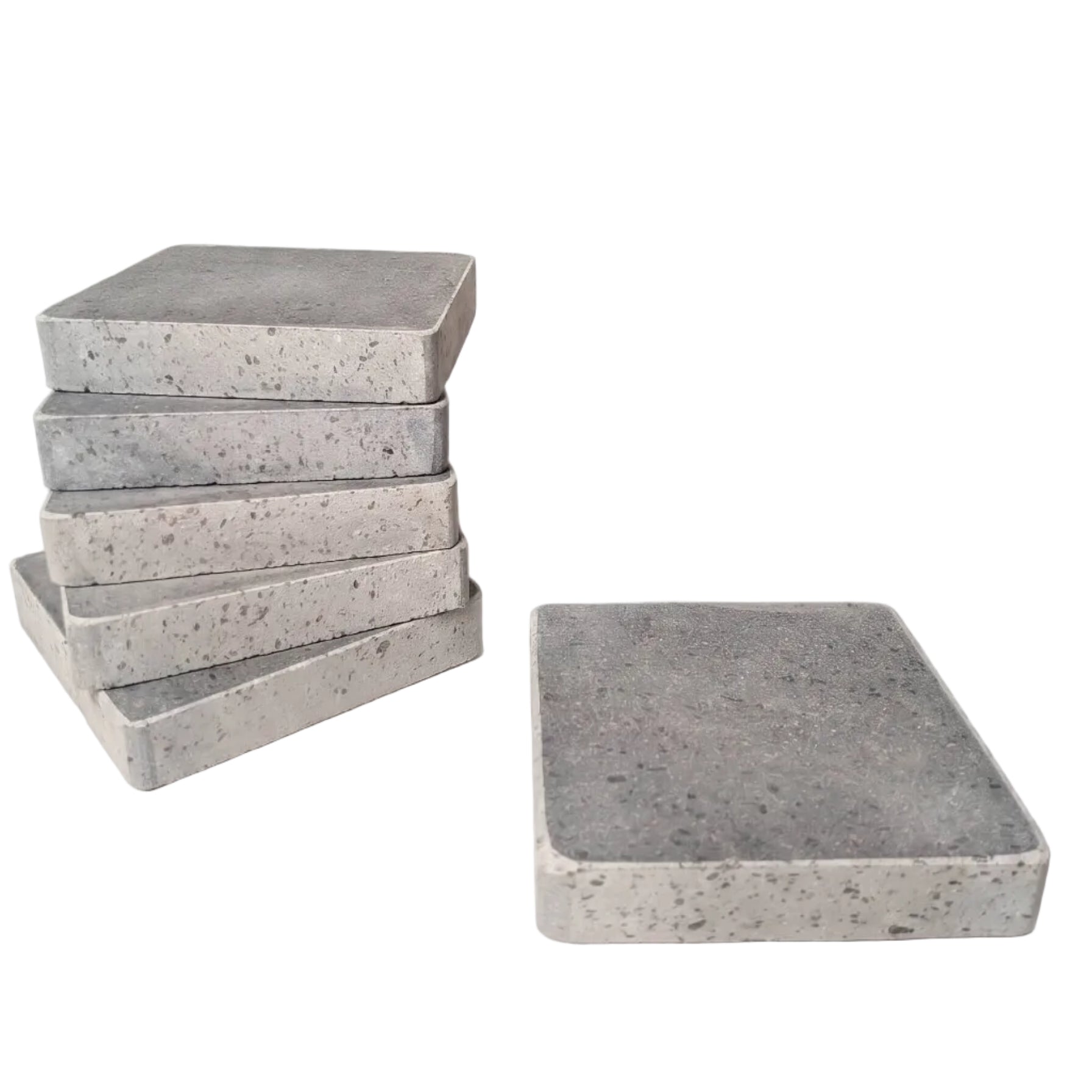
Underestimating preheating time is probably the single biggest contributor to disappointing results. A stone that goes to the table lukewarm will stew food instead of searing it, and that is where many steak stone cooking mistakes actually originate. The stone needs genuine, sustained heat built up in an oven or on a hob before it reaches the table.
Rushing this step also creates uneven cooking across the surface. One side of the plate sears while the other barely warms through. That unevenness is often blamed on the stone itself, when the real issue is simply insufficient heating time beforehand.
Another overlooked point is recovery time between servings. A stone used repeatedly in close succession needs a chance to come back up to temperature, or the second and third rounds of food will underperform compared with the first.
The Black Rock Grill Matt Black Steak Stone Set and Proper Stone Conditioning
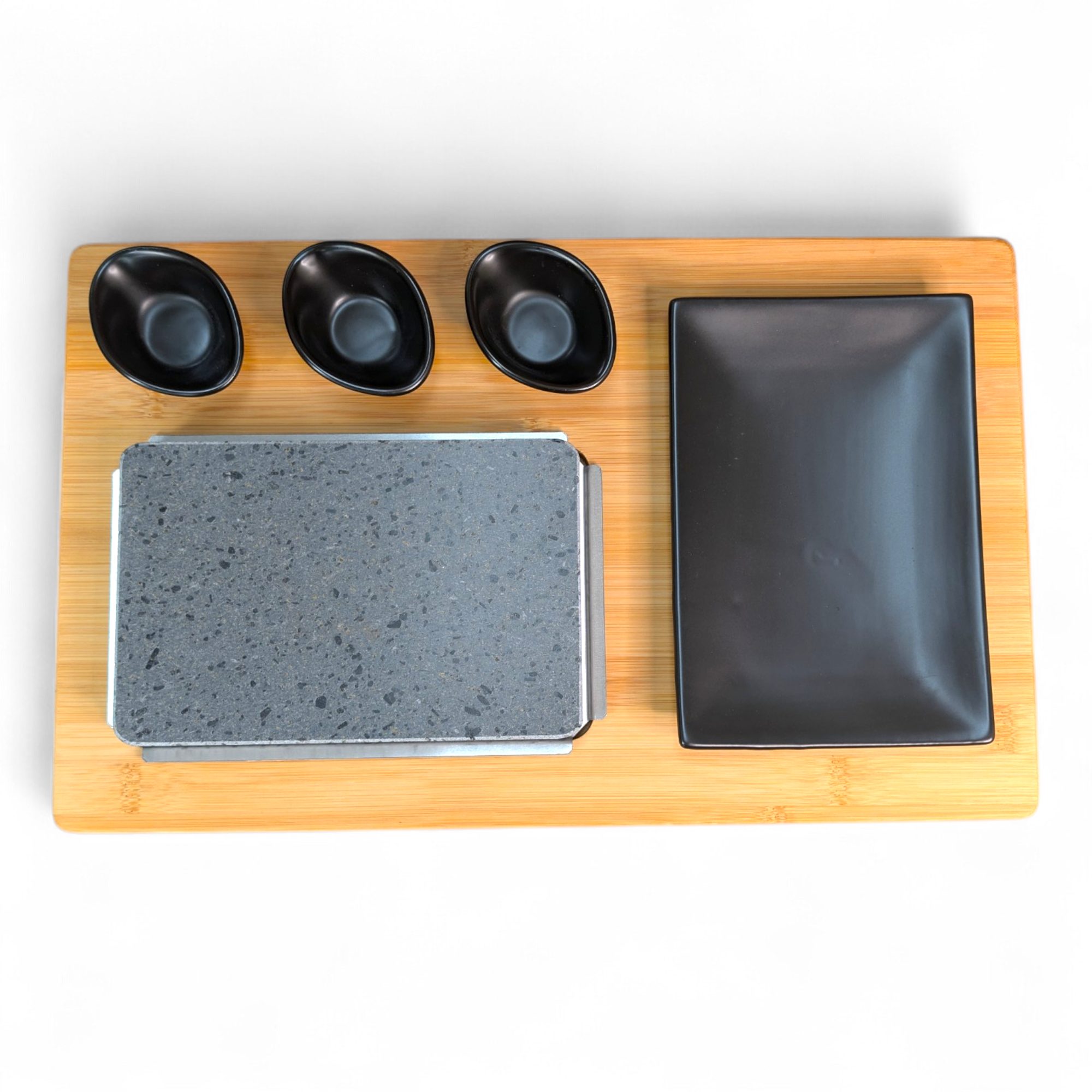
The Blackrockgrill Matt Black Steak Stones Cooking Set is built around individual platters, giving each guest a stone to cook on rather than sharing one large surface. According to the brand’s own listing, this set is positioned as a way to make a dinner party sizzle, whether the setting is indoors or outdoors. Treating a brand-new set correctly from the first use matters, since skipping patient initial heating and expecting full searing performance right away is a common misstep with any fresh stone, and consistent, gradual warming rather than any special coating process is what actually conditions the surface over repeated use.
That groundwork applies whether the stone came as part of a gift set with a compact bamboo board or as a larger cooking set meant for regular use. Either way, the early sessions set the pattern for how the stone performs afterward.
Common Myths About Stone Safety and Durability
There is a persistent idea that any stone marked with scorch lines or discolouration has failed. In reality, surface change on a natural volcanic stone is part of ordinary use over time, not evidence of damage. Blackrockgrill also offers B-grade clearance stones with noted cosmetic imperfections such as minor surface marks, sold specifically because those marks do not affect the stone’s function as a cooking surface.
Another myth is that any stone can go straight from a hot oven into cold water without consequence. Sudden temperature swings are a real source of stress on natural stone, and that detail belongs on any list of stone maintenance mistakes, separate from cosmetic concerns. The clearance listings themselves distinguish between cosmetic grade and functional condition, which is a useful reminder that appearance and performance are not the same thing.
- Assuming a stone needs oiling or seasoning like cast iron, when natural volcanic stone does not absorb oil the same way metal pans do.
- Scrubbing a hot stone with cold water immediately after use instead of letting it cool gradually.
- Storing a stone while still slightly damp, which can affect its surface over repeated cycles.
- Treating every visible mark as a defect, rather than recognising normal surface wear from heat exposure.
- Ignoring pack details such as square-edge versus curved-corner designs, which can affect handling and plate fit during replacement.
Sharing vs. Individual Stones: Understanding the Signature Steak Sharing Stone Set
Confusing a sharing set with an individual set is another frequent mix-up. The Signature Steak Sharing Stone Set from Blackrockgrill is described as a way to let everyone at a table cook a steak to individual preference, live, while still sharing the overall dining moment. That is different from a single large communal stone meant to be carved and distributed.
There is also a dedicated Steak Stone Set For 2, built specifically around a pairing rather than a larger group. Choosing between a sharing-oriented set and a single large individual platter depends on how many people are actually cooking at the table, and mismatching the set to the group size is one of the quieter steak stone cooking mistakes that affects the pacing of a meal.
Live Cooking at the Table: Managing Expectations Around the Interactive Dining Experience
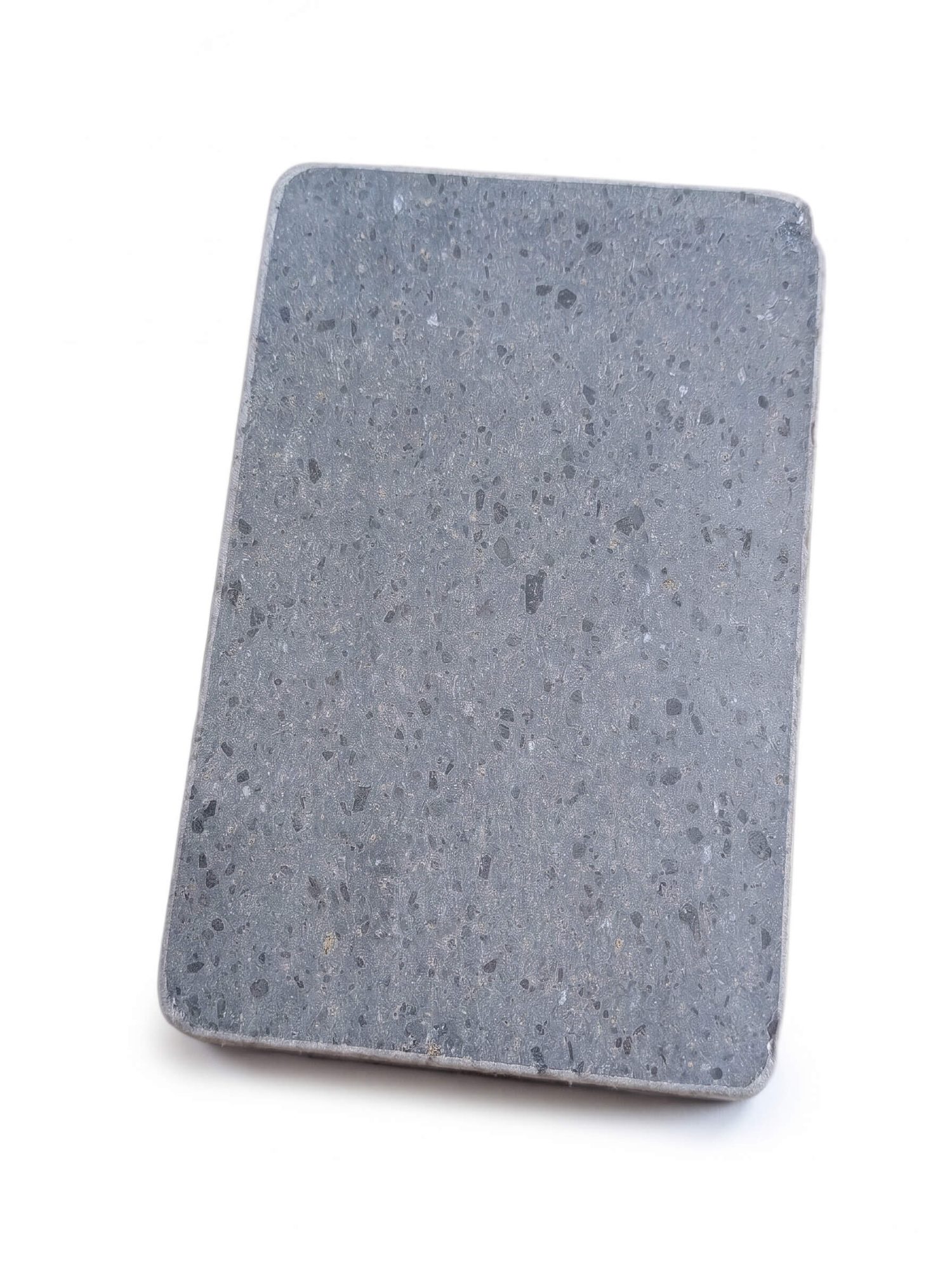
Live tableside cooking is part of the appeal, but it also requires realistic expectations. Each diner controls doneness individually, which means timing will vary slightly from plate to plate. That is a feature of the format described on the brand’s own concept pages, not an inconsistency to correct.
Assuming the stone will behave exactly like a stovetop pan is another common error. The stone cooks more gently and more steadily once properly heated, so food placed on it continues cooking for longer than it would in a hot skillet. Factoring that extra residual heat into timing avoids overcooked edges on thinner cuts.
Blackrockgrill frames this format as genuine live dining at the table, and the brand ships these sets for both restaurant and home use with fast worldwide shipping. Treating the stone as a slower, steadier finishing surface rather than a fast sear pan resolves most of the remaining confusion around pacing a meal.
Avoiding these pitfalls is less about mastering a complicated technique and more about respecting heat, patience, and the right set for the occasion.