
Photo Gadgets and Home Decor in the Colorland Range Materials, Durability, and Finish Options for Experienced Creators

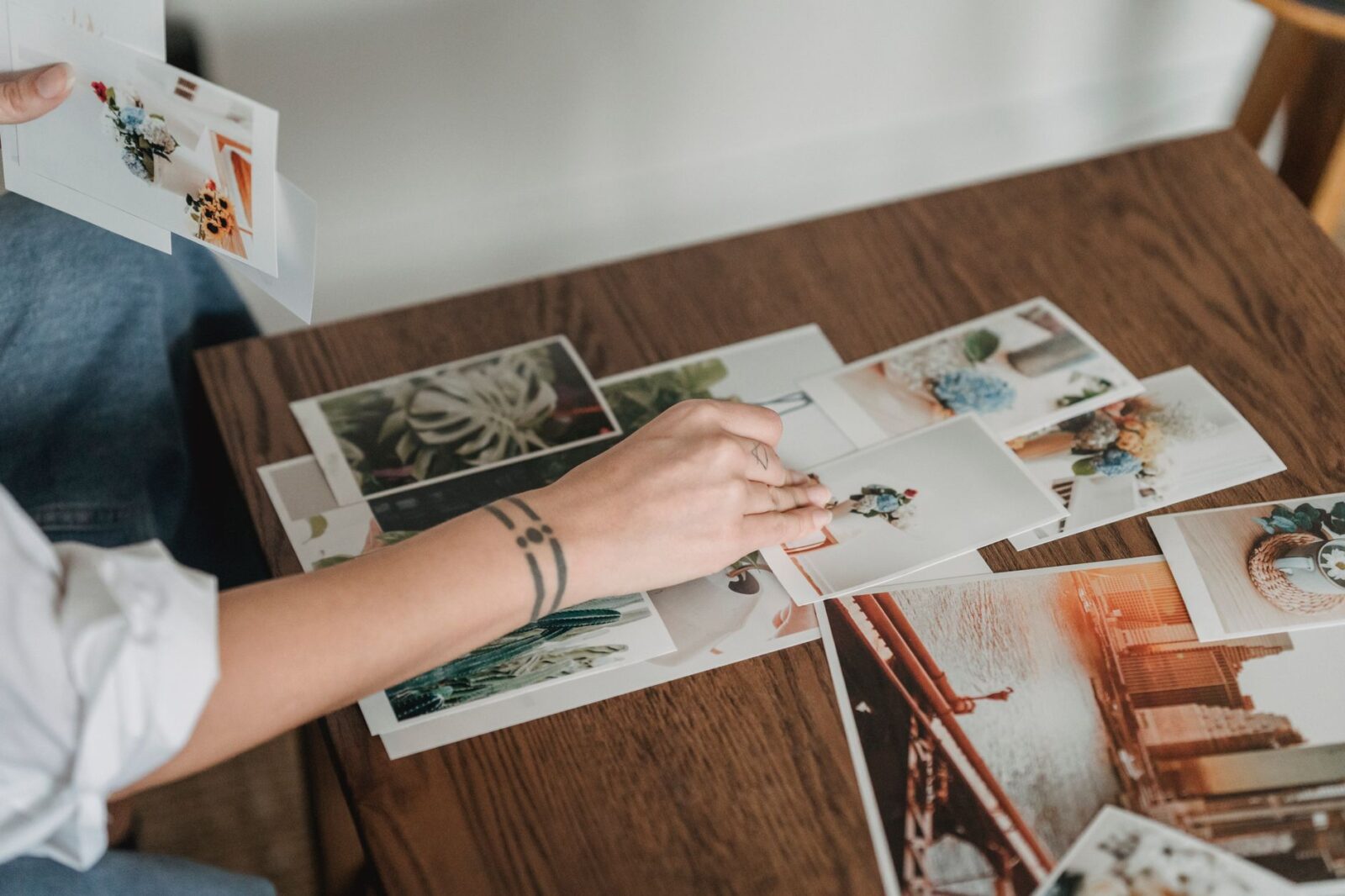

Choosing between a fabric-covered photo book, a wall-mounted print, and a pocket-sized keepsake is not just an aesthetic call. Each material behaves differently over years of handling, light exposure, and storage, which matters once a creator has already built a few photo projects and knows a cheap binding warps or a glossy print fades near a window. Promo.colorland organizes its catalogue into several distinct product families, and the choice among them often comes down to how photo gadgets personalized for one purpose hold up against another meant for daily use or permanent display. The sections below compare those materials and finishes directly, rather than listing them in isolation.
Understanding Colorland’s Layflat Photo Book: Fabric Cover Materials and Construction
The Layflat Photo Book ranks among the bestsellers in the Promo.colorland range, and the catalogue includes a fabric cover option alongside extra personalisation choices. A fabric-covered layflat book opens flat across its full spread, which avoids a crease running through a panoramic image that crosses the centre fold. That construction sets it apart from a standard hardcover book, where a bound spine can interrupt a layout that spans two pages.
For a creator comparing preservation needs, the layflat spread suits a single continuous photo story better than a page-by-page layout would. The fabric cover adds a tactile, textile-based finish instead of the printed laminate surface used on the standard hardcover line. That distinction becomes relevant when deciding between a book meant for repeated handling and one meant mostly for display on a shelf.
Photo Calendar Products: Binding Methods and Paper Stock Variations

Photo Calendar sits alongside the Photo Book under the same bestseller banner on the It site, but it serves a different purpose. It is framed as a gift used every day of the year rather than a book paged through occasionally, so its paper stock has to withstand repeated flipping across twelve months. That daily handling is a very different durability demand than a book stored flat on a shelf for years.
Because the calendar depends on frequent use rather than archival storage, its construction leans toward resilience against wear at the binding point. The same personalised design tools used for the Photo Book carry over to the calendar, which lets a buyer keep a consistent photo set across formats. Anyone assembling a set of photo gadgets personalized for a household might pair a calendar built for handling with a book built for preservation.
Home Décor Photo Products: Substrate Materials and UV Resistance
Home Decor is one of the product families listed on the Promo.colorland site, and it is built for wall display rather than handheld browsing. That changes the design brief considerably compared with a book or calendar, since a wall print sits in one spot and faces continuous light exposure instead of occasional handling. Display-oriented products like this depend more on colour stability over time than on binding strength.
Promo.colorland describes an innovative printing technology intended to keep colours matching the original photo, a claim it applies across the catalogue rather than to one single substrate. For Home Decor specifically, that colour consistency matters more than it would for a calendar page that gets replaced every month. A buyer choosing between a framed print and a photo book is really choosing between long-term wall exposure and page-turned handling.
Colorland GO: Portability Features and Compact Design Specifications
Promo.colorland GO is its own discoverable product line, separate from Home Decor and from the standard Photo Prints format. Where Home Decor is built to stay fixed on a wall, Colorland GO leans toward compact formats meant to travel, which puts it at the opposite end of the display-versus-portability spectrum from a framed print. That contrast is useful for anyone weighing photo gadgets personalized for a stationary room against ones meant for a bag or a desk.
Because it occupies its own category rather than a variant of Gadgets or Photo Prints, The brand GO gives a creator a distinct shelf to browse separately from the book and calendar lines. A compact format naturally gets handled more often and travels more, which puts different demands on its surface than a print that never leaves a wall.
Print Durability Standards: The 100-Year Archival Promise Across Product Lines

Promo.colorland states that its prints are designed to last 100 years, a promise it repeats across the catalogue rather than attaching to a single product. That figure applies broadly, so a Home Decor print, a Photo Book page, and a Colorland GO item are all covered by the same durability claim even though their materials and uses differ. The brand also offers a 100-day window to return a photo gift that does not meet expectations, which is a separate guarantee from the print longevity claim.
Durability claims read differently depending on how a product gets used day to day. A calendar page handled daily faces more physical wear than a framed Home Decor print that simply hangs in place, even if both carry the same archival promise on paper. That is one more reason experienced buyers weigh handling frequency alongside material choice before settling on a format.
Customization Depth: Design Flexibility in Photo Books Versus Calendar and Gadget Options
Photo Book projects, built around the Layflat and fabric cover options, tend to offer more layout freedom since each page can be treated as part of one continuous story. Calendar and gadget products follow a more structured template, since a calendar grid or a mug surface leaves less room to rearrange a full spread. That structural difference is part of why a photo book and a calendar feel like different design exercises even when they draw on the same photo set.
- Layflat Photo Books use a fabric cover option and an open-flat spread that standard hardcover books do not offer.
- Photo Calendars are built for repeated monthly handling rather than long-term shelf storage.
- Home Decor products are designed around fixed wall display and continuous light exposure.
- Colorland GO occupies a separate, portable category distinct from Home Decor, Gadgets, and Photo Prints.
- All product lines share the same stated 100-year print durability claim, regardless of material or format.
- Photo Books allow more continuous-layout customization than the more template-based calendar and gadget formats.
Material choice ultimately shapes how a memory gets kept, whether that means a fabric-covered page meant to lie flat for decades or a compact format meant to travel. Looking across the range makes the tradeoffs clearer than judging any single product on its own.