
Understanding Zakat and Islamic Charitable Giving with Muslim Aid


Zakat charity giving sits at the core of Islamic practice, shaping how millions of Muslims share wealth with those in need each year. Muslimaid works within this tradition, channelling obligatory almsgiving and other donations toward emergency relief and long-term development. This article examines how giving functions in practice and how donations move from individual donors to communities facing hardship.
What Is Zakat and Why It Matters in Islamic Practice
Zakat is a religious duty requiring eligible Muslims to give a portion of their wealth to those who need it most. According to published guidance, that portion is at least 2.5% of accumulated wealth, distributed to defined categories of recipients. It is described as an act of belief, one that alleviates hardship in ways that go beyond simple generosity. For many, zakat charity giving represents a formal obligation rather than a voluntary gift, tied directly to faith and accountability before Allah.
Because zakat is mandatory for those who meet the wealth threshold, charitable organisations play a central role in making sure it reaches the right people. Muslimaid frames this responsibility as serving Allah by serving His creation. That framing connects the act of donating with a wider purpose, linking personal worship to collective welfare.
How Muslim Aid Distributes Zakat Across the Globe
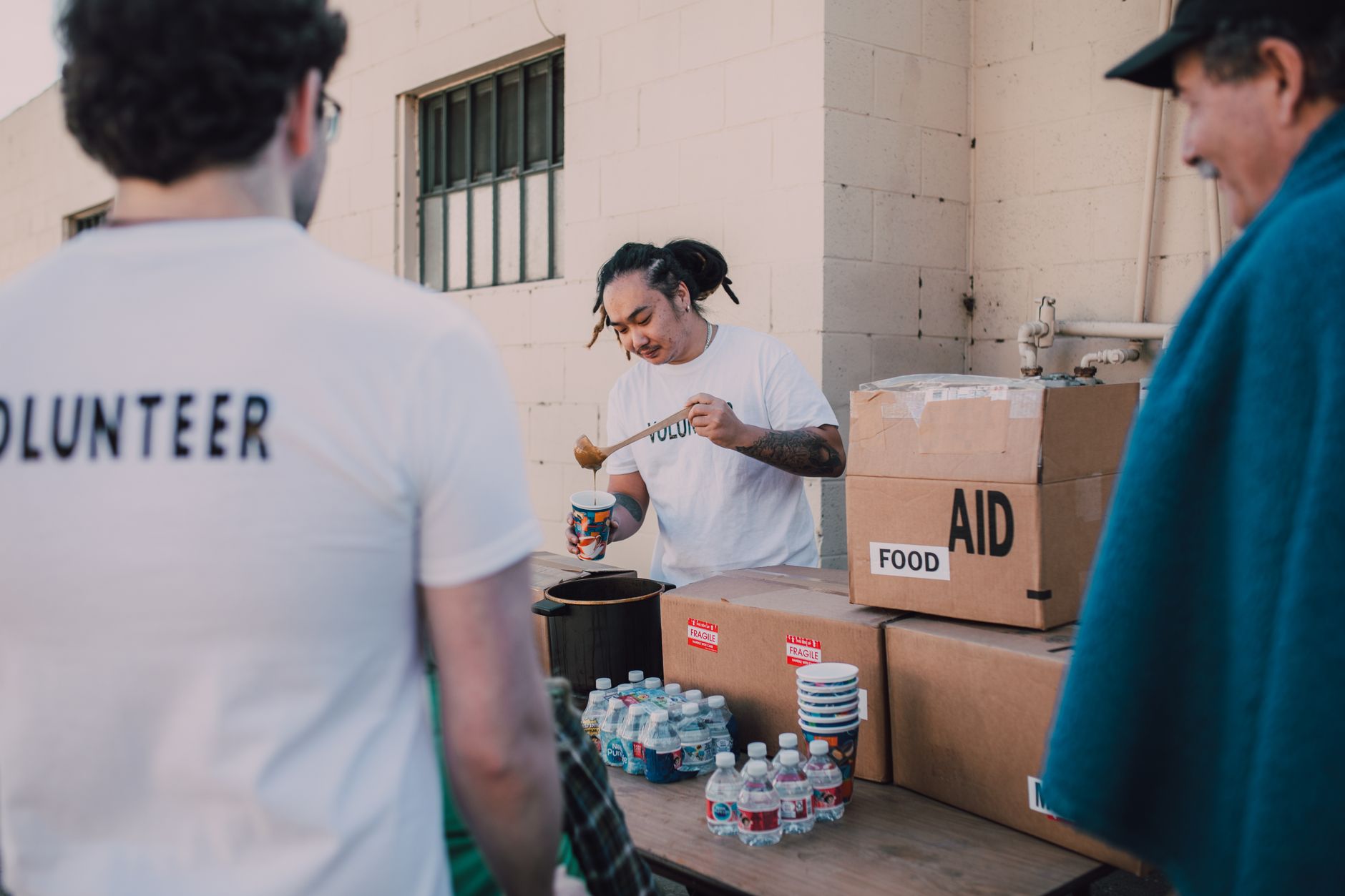
Muslimaid reports reaching people both in the UK and overseas through its zakat distribution work. Last year alone, the organisation says it distributed zakat to over 54,504 people. That scale reflects a wide operational reach, spanning multiple countries and communities facing hardship.
The organisation also publishes annual reports and project feedback reports, offering a record of where zakat funds have gone. This kind of reporting is intended to give donors visibility into how contributions are used. For anyone researching zakat charity giving options, that level of documentation is often a distinguishing factor between charities.
The Zakat Appeal: Supporting Communities in Crisis
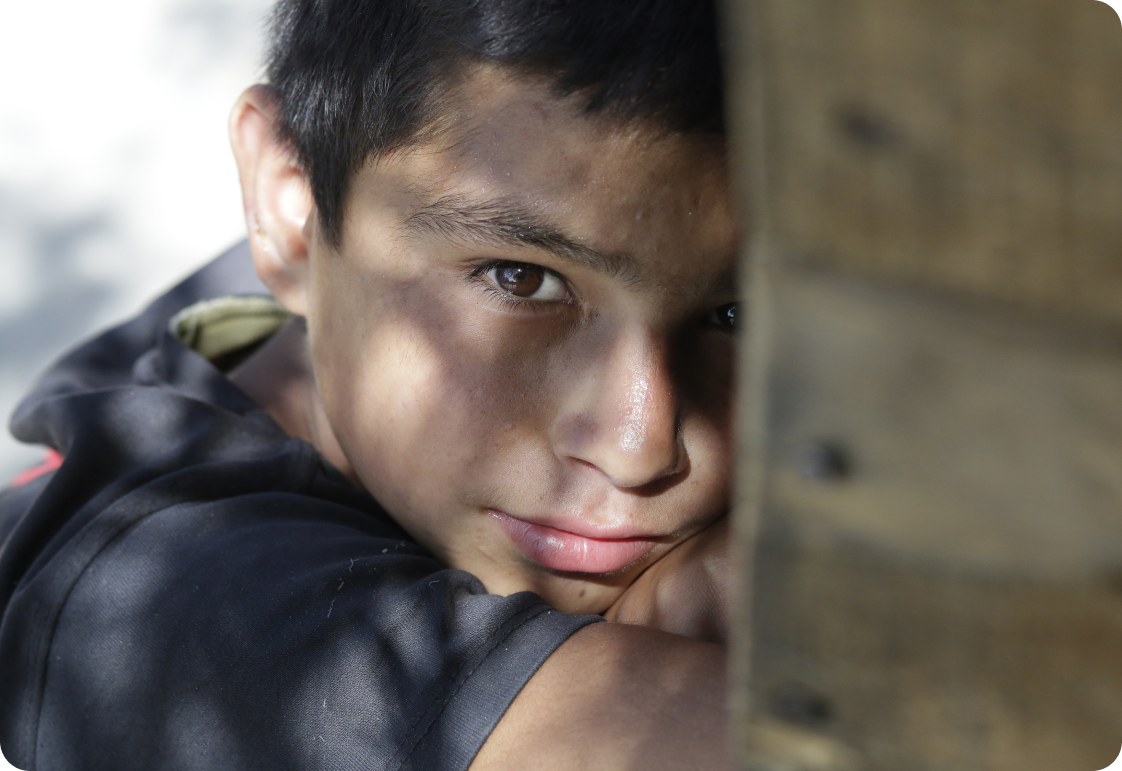
The Zakat Appeal run by Muslimaid is positioned as a direct route for eligible donors to fulfil a religious obligation while supporting people facing urgent hardship. The appeal description frames zakat as a duty through which believers serve Allah by serving His creation, tying the act of giving to a specific, ongoing appeal rather than a general fund. This structure allows donors to direct giving toward current, named crises rather than an abstract cause.
Alongside the Zakat Appeal, a separate appeal called Need is Greatest focuses on swift responses so aid reaches places where it is most urgently required. Together, these two appeals show how zakat-eligible and general donation streams are organised side by side.
Beyond Zakat: Sadaqah Jariyah and Long-Term Relief
Not all giving within Islamic practice is obligatory. Sadaqah Jariyah refers to ongoing charitable giving, and Muslimaid runs a dedicated Sadaqah Jariyah Appeal that operates alongside the Beyond Hunger Appeal, which targets long-term solutions against malnutrition and famine driven by conflict, displacement, and climate shocks. That framing places Sadaqah Jariyah and longer-term appeals as a complement to emergency zakat distribution, rather than a replacement for it.
Muslim Aid’s Range of Emergency Appeals and Relief Projects
Several appeals focus on acute crises, while others support ongoing infrastructure work such as hospitals, villages, and water access. Muslimaid organises these causes as separate, named appeals rather than a single general fund. This range reflects a broader approach of pairing emergency response with structural development.
- The Gaza Relief appeal addresses urgent needs following what the organisation describes as a sharply rising death toll recorded by the Gaza Ministry of Health.
- The Build a Hospital in Bangladesh project responds to a significant challenge in accessing quality healthcare in many parts of the country.
- The Give Water, Save Lives project works on clean water access, stating that water should not depend on geography or circumstance.
- The Orphans & Widows appeal provides support aimed specifically at orphaned children and widowed women.
- The Build a Village in Pakistan project addresses basic necessities, including clean water, in rural areas where such necessities remain scarce.
- The Middle East Emergency Appeal and the More than a Refugee appeal extend relief work to displaced populations across the wider region.
Each of these appeals is listed separately, which allows donors to choose a cause that matches personal priorities. Some appeals, like the Zakat Appeal, are structured to accept obligatory giving, while others draw from general donations and Sadaqah Jariyah contributions.
Calculating and Planning Zakat Contributions
Working out an accurate zakat amount can be complicated, particularly for people with varied assets. Muslimaid addresses this by offering a Zakat Guide alongside a Zakat Calculator, both covering the essentials of the obligation and translating personal wealth into a specific figure. These resources sit alongside the Zakat Appeal itself, meaning calculation and a distribution channel exist within the same published guidance.
For those unfamiliar with the 2.5% threshold or which assets count, the pairing of guide and calculator offers a reference point grounded in published figures. This combination reflects how zakat charity giving can move from a religious obligation into a concrete, measurable contribution.
Zakat charity giving remains rooted in obligation, but its reach depends on organisations able to turn individual contributions into collective relief. The network of appeals described here, from Gaza Relief to clean water projects, shows how that obligation translates into action across many fronts.