
What Active Wearers Should Look for in Performance Sunglasses


Movement Changes the Demands on Eyewear
Sunglasses used for running, cycling, hiking or water-based activity have a harder job than ordinary casual eyewear. The frame has to stay stable while the wearer moves, perspiration can affect grip, changing light can alter visibility and impact risk is higher. A frame that looks comfortable at rest may behave very differently once pace and body temperature increase.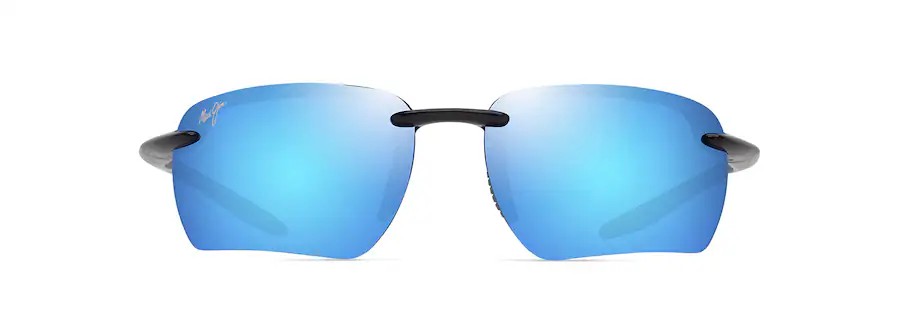
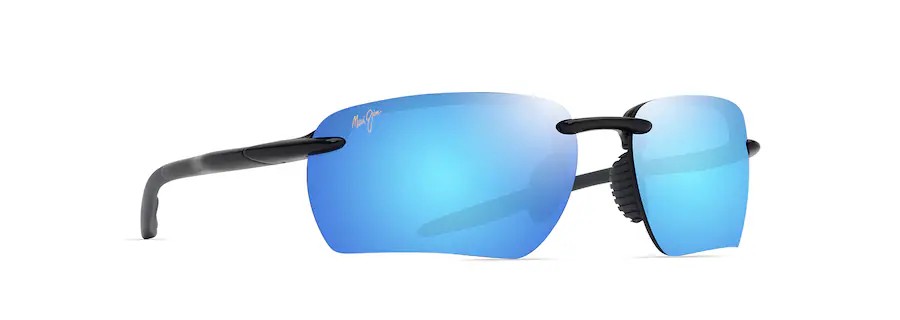
Performance-focused designs from Maui Jim address these conditions with lightweight materials, secure contact points and polarized lenses. The Ho’okipa Ultra G, for example, is described with ventilation and fog reduction in mind, while the Ho’okipa Ultra R adds a fuller wrap for coverage and stability. Those design choices illustrate a broader principle. Active eyewear should be chosen around movement, not around appearance alone.
A good pair should remain visually quiet during activity. The wearer should not have to push it back into place, wipe fog every few minutes or feel pressure building at the nose and temples.
Coverage and Ventilation Need Balance
More coverage can block peripheral light, wind and airborne debris, which is useful during cycling, running and exposed hiking. Wrap shapes also tend to sit closer to the face. The tradeoff is that reduced airflow can encourage heat and fogging if the design does not manage ventilation well.
Rimless or semi-rimless structures can feel lighter and may improve airflow, while full-rim wraps offer a more enclosed feel and additional protection around the lens edge. Neither approach is automatically better. A runner in humid conditions may value airflow, while a cyclist on fast open roads may prioritize wind protection and a locked-in fit. The sport-specific range from Maui Jim reflects both needs rather than forcing one geometry across every activity.
Nose pads and temple contact points also matter. Rubberized or textured areas help keep the frame stable as skin becomes damp. Adjustable components can further improve fit when a standard bridge shape does not sit evenly.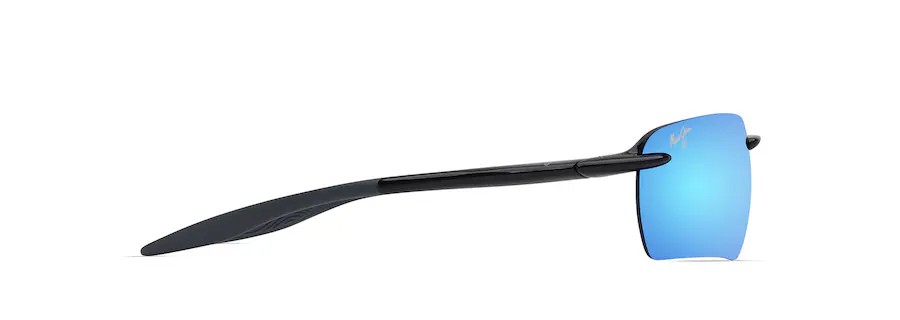
Four Features Deserve Priority
Performance eyewear comparisons can become complicated quickly, especially when product descriptions emphasize many technical details at once. Four practical checks keep the decision focused on what a wearer will actually notice outside.
- Low weight reduces fatigue and makes the frame easier to forget during long sessions.
- Impact resistance matters when eyewear may be dropped, hit by debris or used in fast-moving environments.
- Secure grip at the nose and temples helps prevent sliding when the wearer sweats or changes direction.
- Lens contrast should match the activity and light level so surface changes remain easy to read.
These priorities also explain why active users often prefer purpose-built frames even if they already own casual sunglasses. Sports place different mechanical demands on eyewear and those demands repeat throughout every session.
Lens Choice Should Follow the Activity
Strong sunlight on water or exposed roads can call for substantial light reduction, while wooded trails and early starts may need a lens that preserves more brightness. Maui Rose is associated with high contrast for fast action, while Maui HT is designed for lower-light conditions where a dark lens may hide detail. Photochromic options can also appeal to users who move through changing light and want the lens to adapt without changing glasses.
Material is equally important. Maui Ultra is positioned as lightweight and impact resistant, which suits active use where durability and reduced weight are valuable. MauiPure and MauiBrilliant serve different balances of clarity, weight and resistance. A wearer choosing Maui Jim for sport can therefore compare the lens material as carefully as the tint, especially when the activity involves speed or uneven terrain.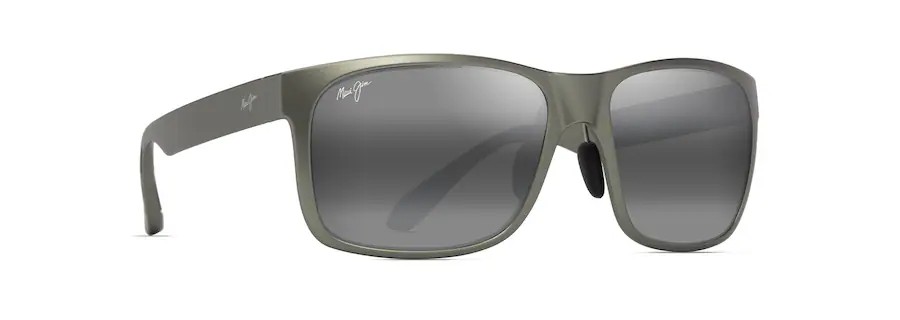
Maintenance should support the same performance goals. Sweat, sunscreen, dust and salt should be rinsed away rather than polished aggressively into the lens. A clean microfiber cloth should be used after rinsing, and the frame should be allowed to dry before it is stored. These small habits protect coatings and keep nose pads and temples cleaner.
The final test is simple. Performance sunglasses should stay in place and preserve a clear view without demanding attention. When coverage, airflow, grip, lens tint and material suit the activity, Maui Jim eyewear can function as part of the wearer’s equipment rather than as a fashion item that happens to be worn outdoors.
Weather and pacing can also change the demands during one session. A cool start may become a hot climb, a shaded trail may open into direct sun and wind can increase quickly on exposed ground. That is why a stable frame and a versatile lens often matter more than isolated specifications. Maui Jim performance styles are most useful when they are matched to the full activity pattern, including the transitions that happen between easy and demanding sections. That broader view helps prevent a technically impressive frame from becoming uncomfortable once real movement begins.